
10 Tips to Control Sugar (Diabetes) at Home
By Dr. Ajay Agrawal · 25 Feb 2026 · 7 min read
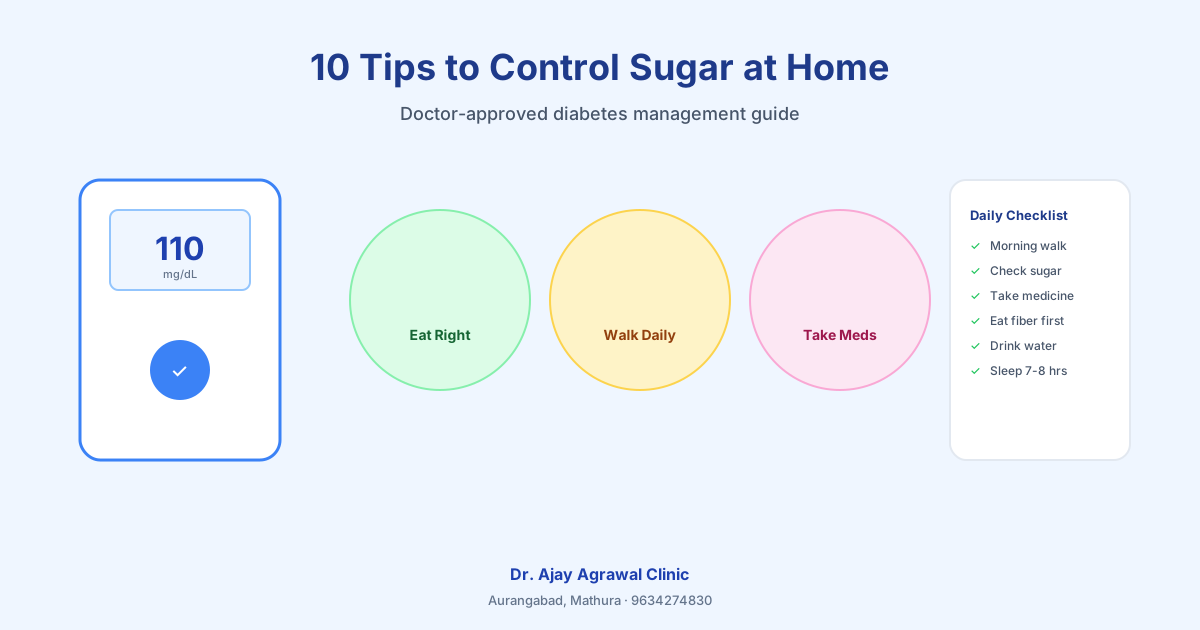
Diabetes (शुगर) is one of the most common conditions I see in my clinic. The good news? With the right daily habits, most patients can keep their sugar levels well within range — without expensive treatments. Here are 10 proven tips I recommend to my patients.
⚡ Quick Summary
- Walk 20–30 minutes after meals to lower post-meal sugar spikes
- Eat fiber-rich foods first (salad, dal) before roti/rice
- Never skip medications or adjust doses without your doctor
- Check HbA1c every 3 months to track real progress
- Watch for warning signs: excessive thirst, frequent urination, blurred vision
🇮🇳 संक्षेप (हिंदी)
शुगर (डायबिटीज़) को घर पर कंट्रोल करने के 10 आसान उपाय — खाने के बाद टहलें, फाइबर वाला खाना पहले खाएं, दवाई समय पर लें, तनाव कम करें, और हर 3 महीने में HbA1c टेस्ट कराएं। अगर शुगर बार-बार बढ़ रही है तो डॉक्टर से ज़रूर मिलें।
1. Walk After Every Meal
A 15–20 minute walk after eating is the single most effective way to lower post-meal blood sugar. Studies show it can reduce sugar spikes by 30–50%. No gym needed — just walk around your colony or terrace.
2. Eat in the Right Order
Start your meal with vegetables or salad, then dal/protein, and eat roti or rice last. This simple trick slows down sugar absorption and keeps post-meal readings lower.
3. Never Skip Your Medication
Take diabetes medicines exactly as prescribed — same time daily. Don't reduce or stop them because you "feel fine." Blood sugar can silently damage kidneys, eyes, and nerves even without symptoms.
4. Cut Down on Sugar & Refined Carbs
Reduce sweets, cold drinks, fruit juice, maida, and white bread. Replace with whole grains — dalia, jowar, bajra roti, and brown rice. You don't have to stop everything; moderation is key.
5. Stay Hydrated
Drink 8–10 glasses of water daily. Dehydration can cause sugar levels to concentrate and rise. Carry a water bottle and sip regularly — especially in Mathura's summer heat.
6. Sleep 7–8 Hours
Poor sleep increases insulin resistance. Aim for consistent sleep timing. Avoid phone screens 30 minutes before bed. If you snore loudly, get checked for sleep apnea — it worsens diabetes.
7. Manage Stress
Stress hormones (cortisol) directly raise blood sugar. Practice deep breathing, take short walks, and talk to family. Even 5 minutes of relaxation daily makes a measurable difference in sugar readings.
8. Monitor Regularly
Check fasting and post-meal sugar at home if you have a glucometer. Track the numbers — it helps your doctor adjust treatment. Get HbA1c tested every 3 months to see your real average.
9. Don't Fall for "Sugar Cure" Myths
Karela juice, jamun seeds, and methi water have mild benefits, but they cannot replace medicines. Don't trust WhatsApp forwards claiming miracle cures. Always consult your doctor before trying any supplement.
10. Get Regular Checkups
Every 3–6 months, check: sugar levels (fasting + HbA1c), kidney function, eye examination, and foot examination. Early detection of complications can save you from serious problems later.
⚠️ See a Doctor Immediately If You Notice:
- Fasting sugar consistently above 200 mg/dL
- Sudden weight loss without trying
- Wounds or cuts that won't heal
- Numbness or tingling in hands/feet
- Blurred vision or frequent infections
Need Help Managing Your Sugar?
Dr. Ajay Agrawal has helped thousands of patients in Mathura control their diabetes with personalized treatment plans. Walk-in or call for a consultation.
About the Author
Dr. Ajay Agrawal is an MD Physician in Aurangabad, Mathura with 26+ years of experience. He specializes in diabetes management and helps patients achieve lasting sugar control through personalized care.